Arthur Harvey: June 8, 1932 – January 17, 2026
Arthur Harvey was born in Ridgewood, NJ on June 8, 1932. He was 10 when his parents divorced, so he was sent to live with several families at the School of Living, a back-to-the-land communal movement then based in Ohio.
A few years later he moved back east to live with his mother in New York City and attended Stuyvesant High School, a specialized school requiring an entrance exam and a loyalty oath, which he refused to sign but afterwards regretted “affirming” it.
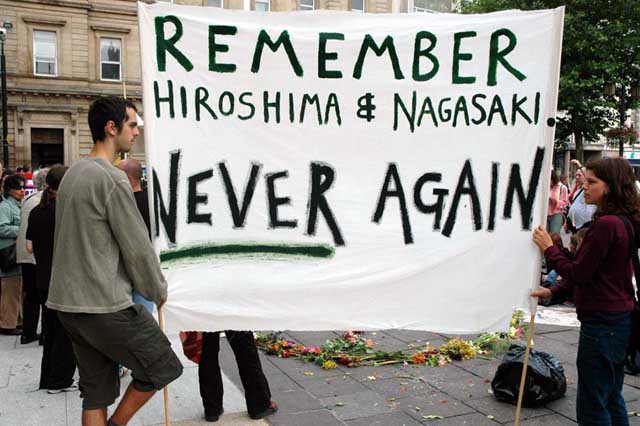
In the 1950s Arthur started protesting the nuclear war air raid drills and was arrested in City Hall Park on April 17, 1959, for not taking shelter during the simulated but mandatory drill. Dorothy Day and Ammon Hennacy were among the 21 others arrested that day.
He went to work at a dairy co-op in Michigan but left in the summer of 1959 to join A.J. Muste, Marj Swann, and others protesting the nuclear-tipped Atlas missiles at the Strategic Air Command’s Mead Missile Base in Omaha, Nebraska. For jumping the fence at the base, he was sentenced to six months in Sandstone Federal Prison, which he served with Ammon Hennacy.
Because most federal income taxes were spent on U.S. wars and the military, in 1959 Art began refusing to pay or even file federal income taxes.
When about 30, he moved to Raymond, New Hampshire, to caretake a mansion and started picking apples to make money. Gradually others from the peace movement joined him. When the number of crews grew to four, the federal government said the crew organizers were in violation of the Farm Laborers Contractor Act. The judge found them guilty under the law but added, “This is the same, mindless, petty bureaucracy that led to the American Revolution.”
About the same time, he published a newsletter – called The Greenleaf – about peace activities in New Hampshire. He hitched around the state and handed it out on street corners as well as at high schools and colleges.
Arthur participated in the Committee for Nonviolent Action’s Quebec to Washington to Guantanamo Walk for Peace (1963-1964), an integrated walk that focused on nuclear disarmament and reconciliation between Cuba and the United States.
In the early 1960s he set up Greenleaf Books to distribute books by and about Gandhi as well as produce publications for the peace movement. These books included the Peacemakers’ Handbook for the Nonpayment of War Taxes published in 1963, which was the first book on war tax resistance.
During the mid-1970s, he joined the Clamshell Alliance’s direct action campaign to stop the building of the Seabrook nuclear power plant in New Hampshire.
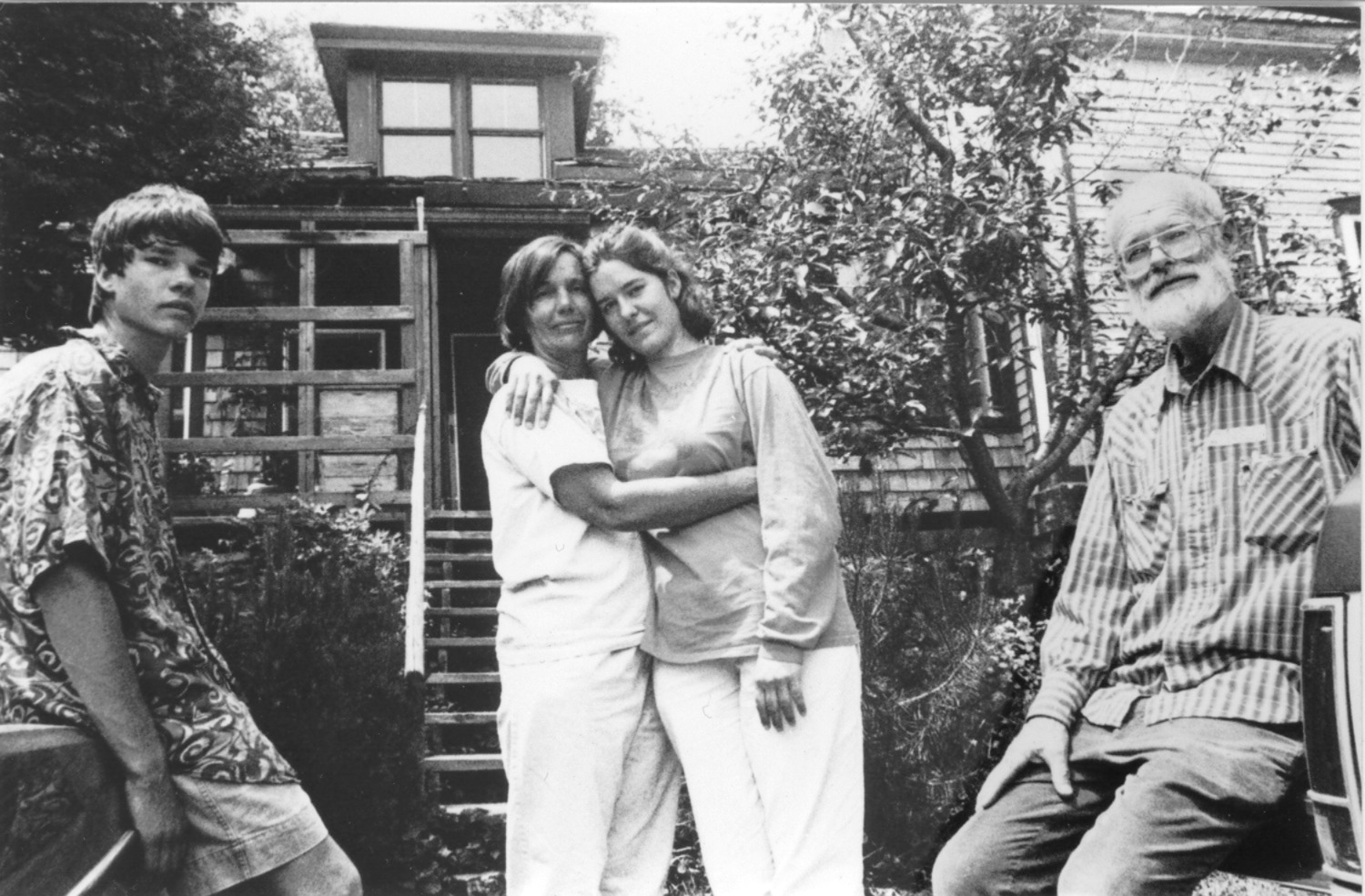
In 1976 he married Elizabeth Gravalos and they had three children. In the late 1980s the family moved to Maine and bought a fixer-upper for $8,000. Soon after, he was appointed to the planning board as the town was about to lose its only public beach in a real estate deal by Patten Corporation. Unintimidated by big corporations or the federal government, Arthur along with others fought and secured 980 feet of beach and 2 acres for the town.
Thirty years ago — on April 4, 1996 — Art and Elizabeth were visited by the IRS who served them with a notice of seizure for their house, two wood lots, and a blueberry field. The IRS claimed that they owed $62,000 in taxes and penalties from 1987 to 1992. Opposed to taxes for war (neither had filed tax returns for decades), they along with supporters organized a campaign of actions in the days leading up to the auction. This campaign garnered national attention and attracted people throughout Maine and New England.
No bids were received at that auction so the IRS scheduled another. The day before the second auction over 30 supporters participated in a four-mile march to the Lewiston IRS office, leafleting along the way about increased military spending and cutbacks in low income housing. Proceeds from the march plus those from an earlier “mock sale” were donated to groups providing housing in Maine.
On July 16, 1996, the date of the second auction, Arthur and Elizabeth remained adamant about their refusal to pay for war, so were prepared to accept whatever happened. Despite asking for no bidding, some sympathetic supporters (including Elizabeth’s mother) bid to make sure the family wouldn’t lose their home.
Incidentally, through this whole process, the family’s accountant discovered the IRS had overbilled them, which resulted in a $4,000 refund. Also, the IRS uncovered (but couldn’t seize because of a technicality) a long forgotten bank account of Elizabeth’s with $5,000, which facilitated her new career in massage therapy. (For additional details, see War Tax Resistance, p. 155, 2025, as well as the June, August, October 1996 issues of More Than a Paycheck)
While serving on the boards of Habitat for Humanity and Maine Organic Farmers and Gardeners Assoc. (MOFGA), Arthur discovered that the USDA was not enforcing the Organic Foods Production Act of 1990. Consequently, MOFGA sued the USDA, which involved Arthur undertaking 10 years of research, attending conferences, and traveling to Washington DC.
Last November Arthur was diagnosed with prostate cancer. He died at home two months later on January 17, 2026 during a snowstorm, surrounded by family. He is survived by Elizabeth, daughter Emily, son Max, and four grandchildren.
A memorial is set for Saturday, June 6, 2026 at noon at the Hartford Town Hall, 1196 Main Street, Hartford, Maine. A potluck will follow. The family requests that attendees come prepared to take home at least one or even 1,000 books by and about Gandhi, which Art distributed through his now shuttered Greenleaf Books publishing business.
Adapted by Ed Hedemann from an initial draft by Elizabeth and Emily
Share