CONVERGENCE IN WASHINGTON: Reminiscences of The Continental Walk 50 Years Later
On October 16, 1976, hundreds of people — accompanied by signs, banners, puppets, flags, musical instruments — crossed the city from three directions to converge on the Lincoln Memorial. All went smoothly that Saturday morning as each of the three routes started off with 150 to 200 people at staggered times from borders surrounding the District of Columbia.
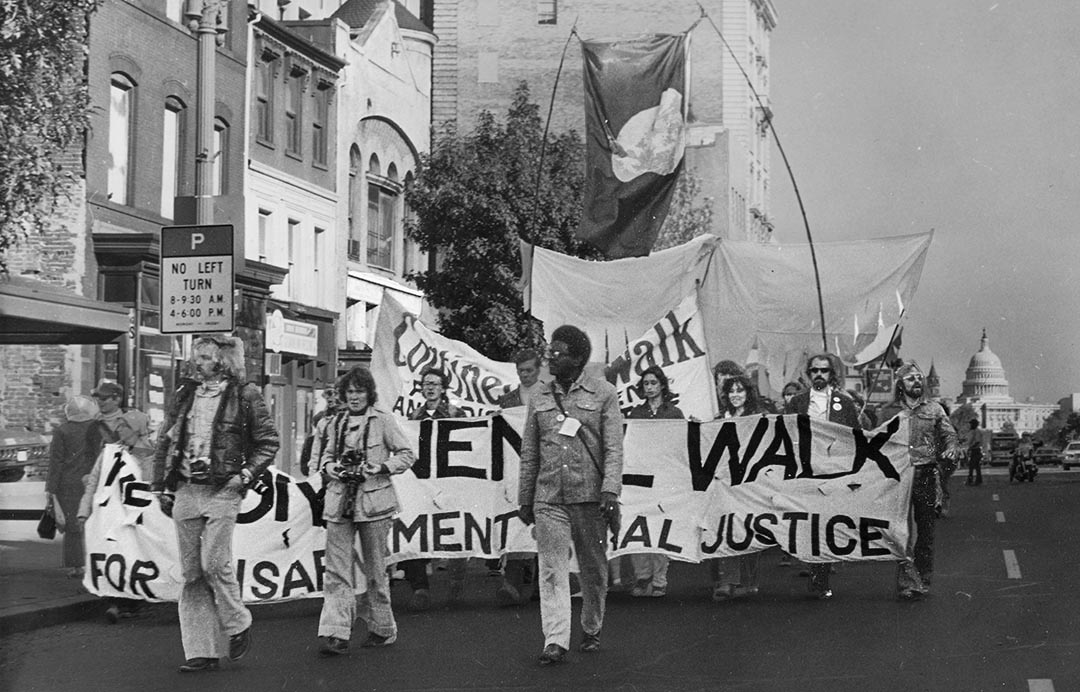
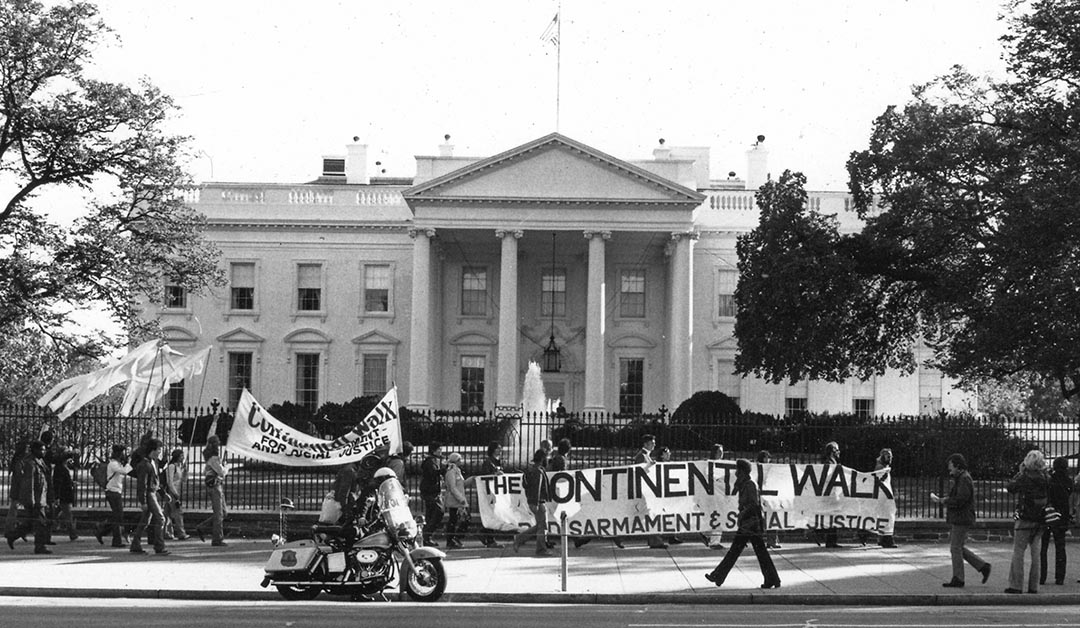
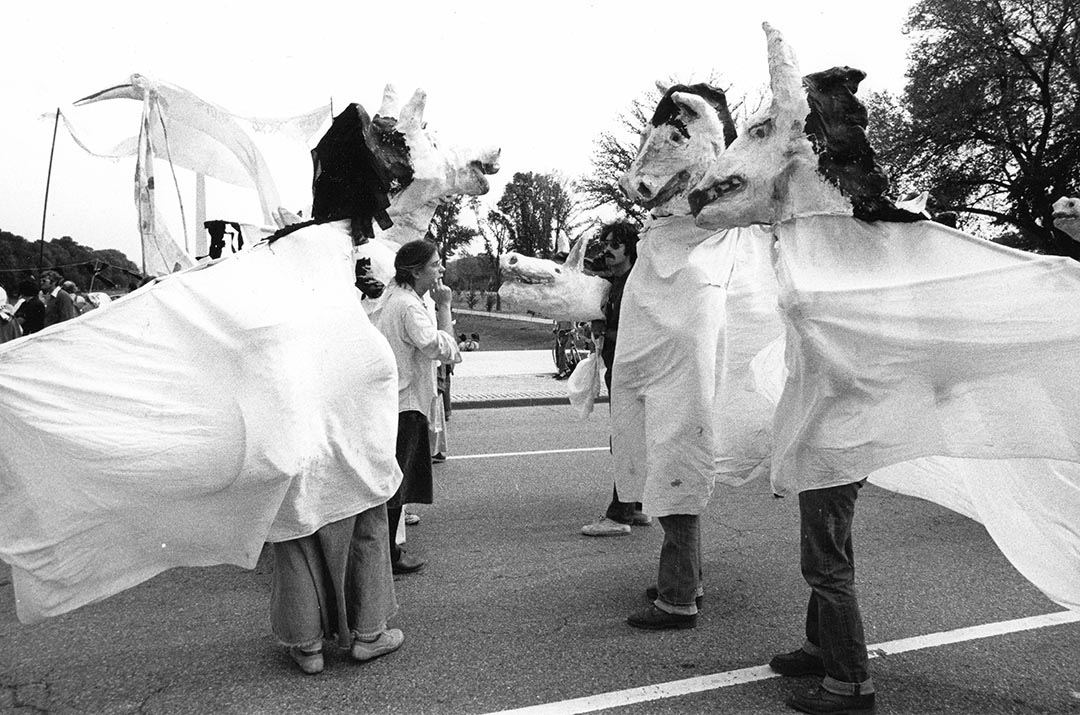
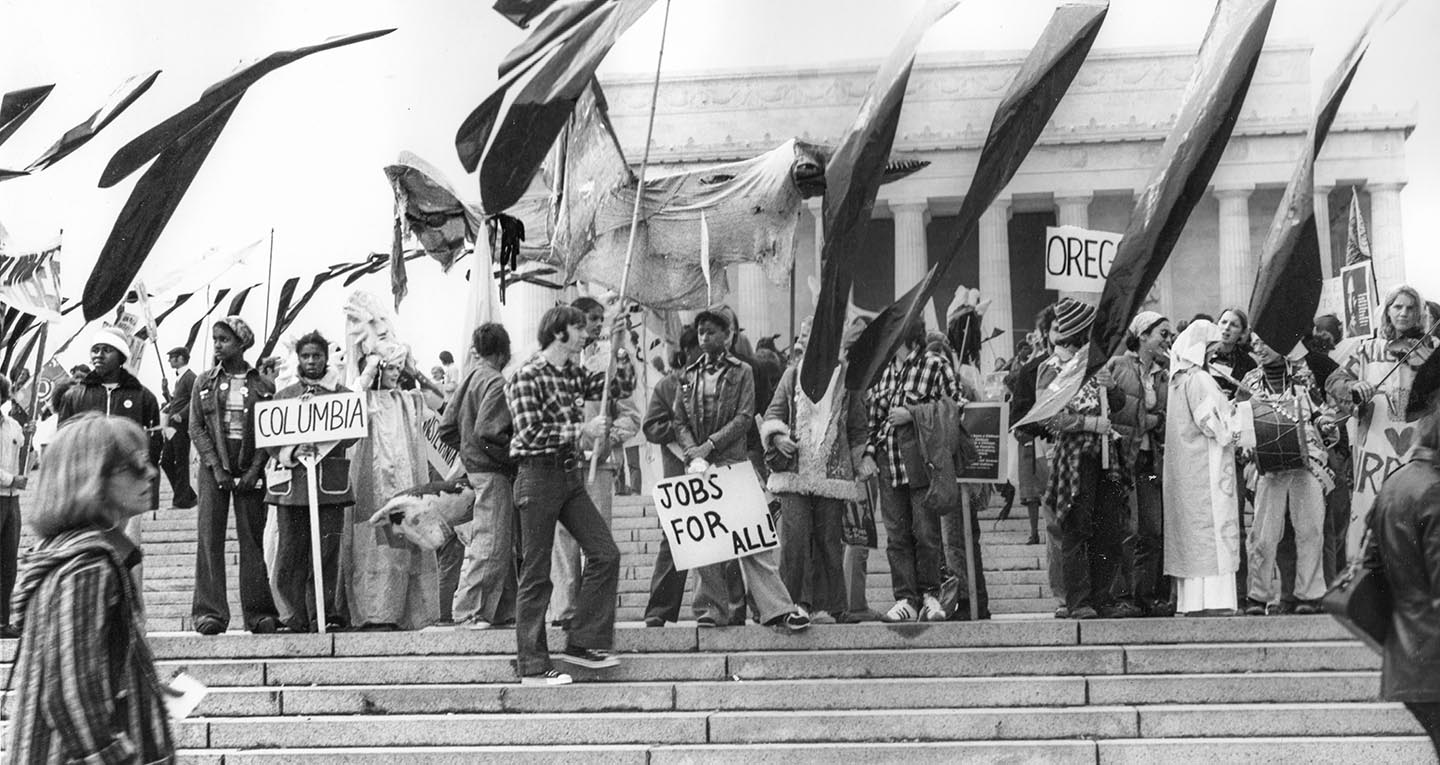
It was a stunning sight to see the walks stretched for blocks, taking up half the roadways on their two mile-an-hour trek into the city. One block from the Lincoln Memorial all three routes paused at different locations, and then came in to meet in front of the Memorial at precisely the same time. After almost two years of organizing and nine months of walking through 34 states, the Continental Walk for Disarmament and Social Justice finally converged into one.
This began a flurry of activities over a three-day period, which included a rally, a political film festival, an ecumenical service, a peace and justice fair, delegations to the Department of Housing and Urban Development and to the White House, as well as a march on the Pentagon concluding with a rally and civil disobedience.
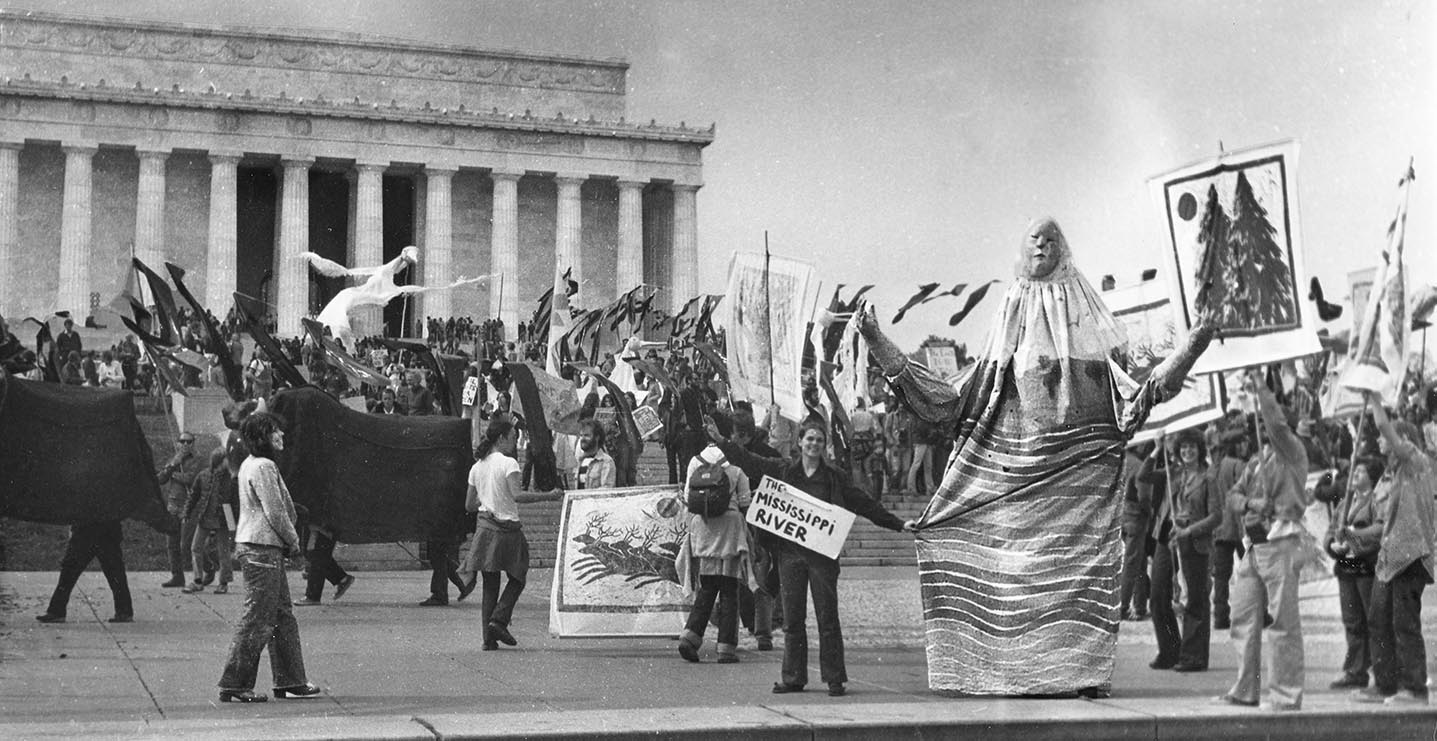
But most moving of all those events was the final joining of those 22 routes. The numbers of people from all over the country thousands of miles apart who had been involved with this project for months finally coming together for the first time must be lived to be fully understood.
The Southern route of The Walk carried the “Trident Monster” (408 black streamers, one for each nuclear warhead carried by every Trident submarine, connected by rope stretching 525 feet and held aloft by bamboo poles) as it passed through Georgetown, and later, as shown here, on the march from the Lincoln Memorial to the Sylvan Theater.
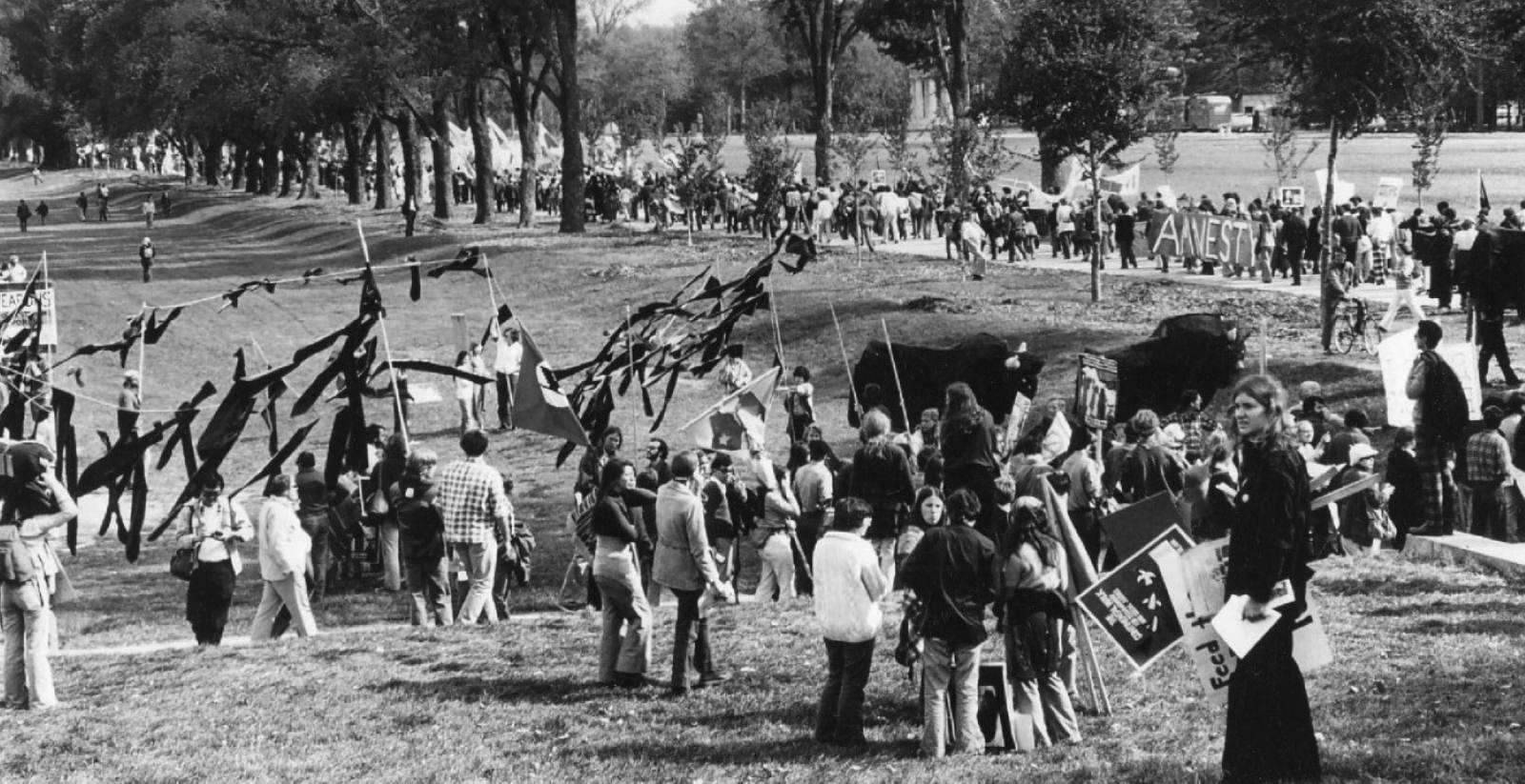
At Dupont Circle, the Powder Horn Puppet Theater with its herd of ‘‘bison,’’ a puppet of the Mississippi River, a bird man on 6-foot stilts, and banners joined the San Francisco route as it passed by the White House.
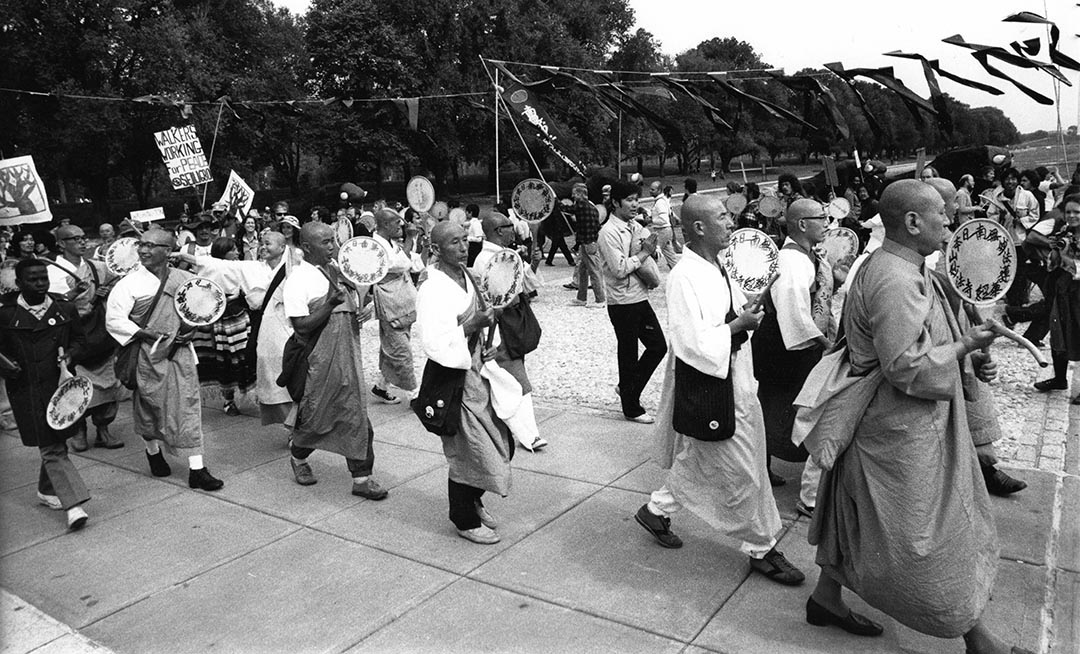
On the Capitol grounds the Bread and Puppet Theater with its procession in two parts — “yes and no’’ — joined the Boston route. ‘‘No’’ was represented by a military band, Uncle Fatso (capitalism), and specters of death. ‘’Yes’’ was represented by a soft music band, a herd of ‘‘horses,’’ flower banners, sun, stars, flowing white birds held aloft on 25-foot poles.
Representatives of the Japanese peace movement — split among the three routes — added immeasurably to the power of the Walk, especially with the Japan Buddha Sanga monks solemn beating of their drums.
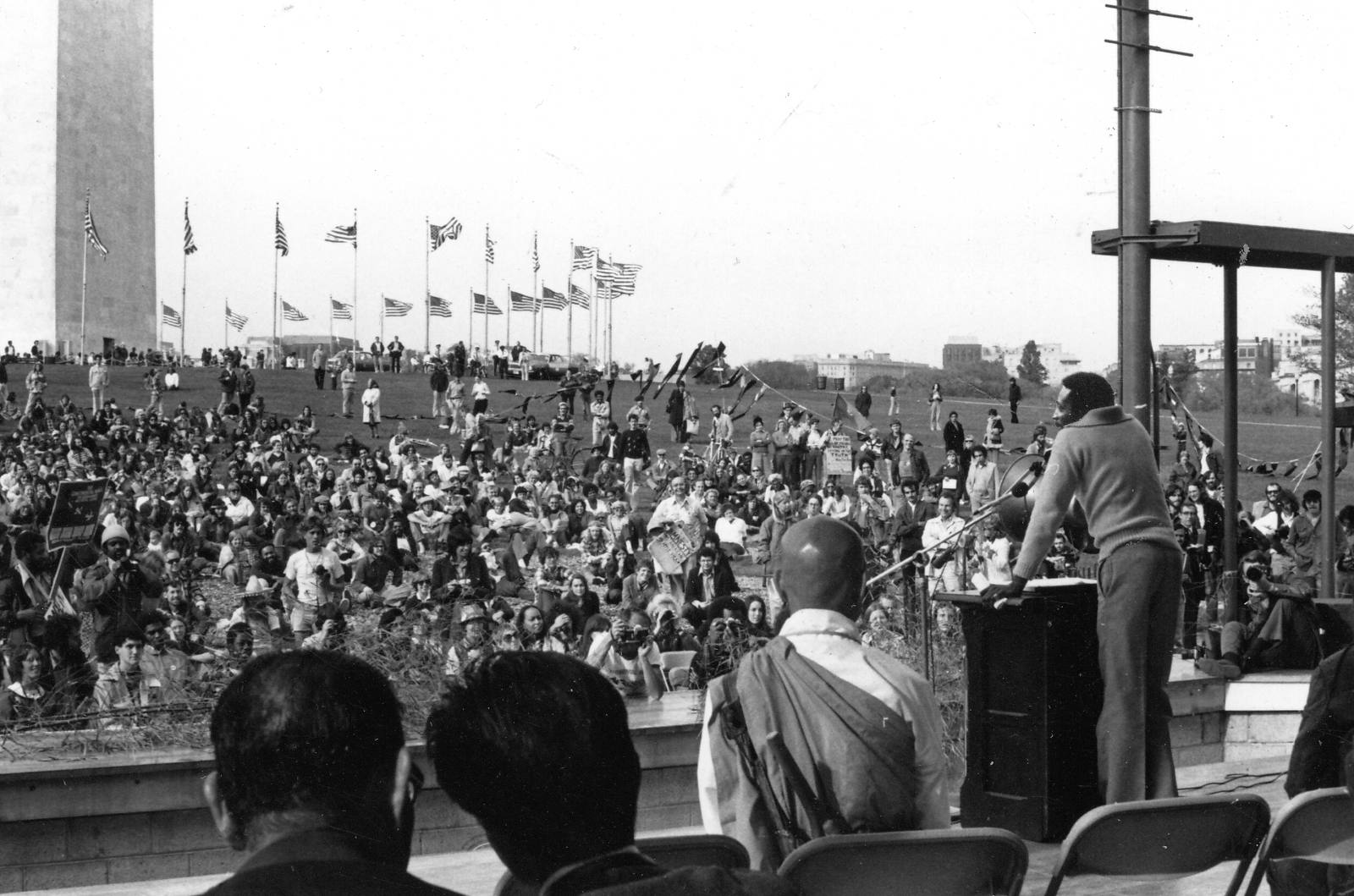
The rally at the Sylvan Theater allowed for a well-deserved rest that afternoon and a chance to listen to speakers, including Dick Gregory, Grace Paley, Ralph Abernathy, Daniel Ellsberg, Sid Lens, Barbara Ehrenreich, David Dellinger, David McReynolds, Sam Lovejoy, as well as entertainers, including Rev. Frederick Douglass Kirkpatrick and Charlie King.
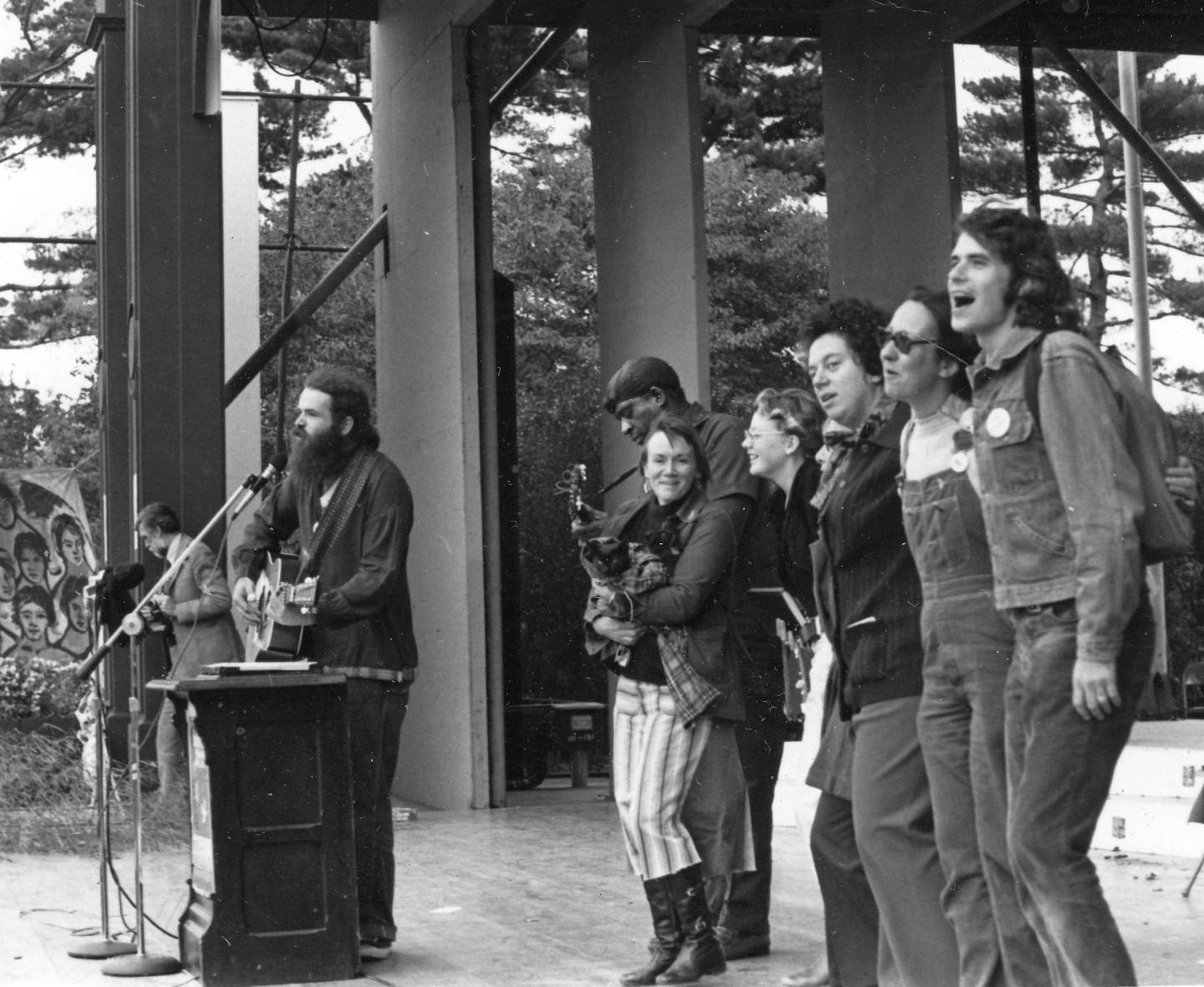
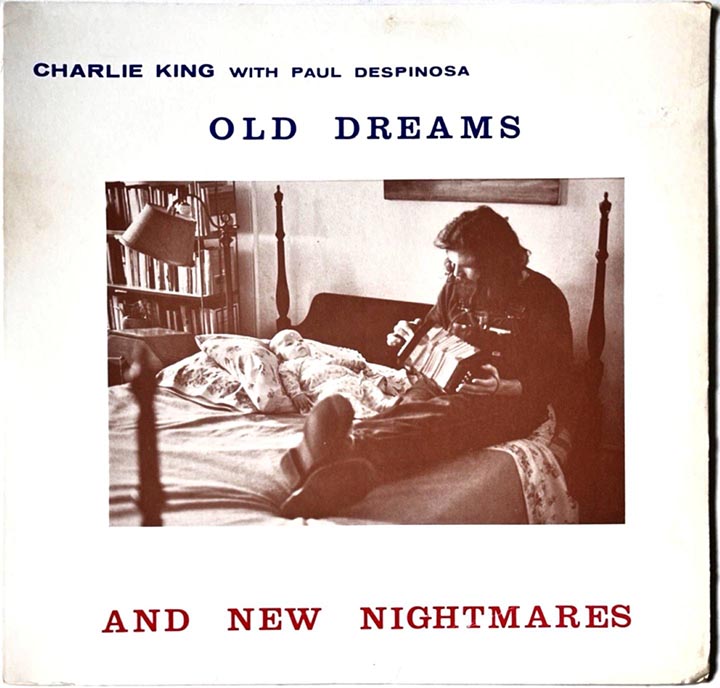
Charlie performed “Do The Continental Walk,” a song he wrote for the Walk, which was the first track on his 1976 album “Old Dreams and New Nightmares.”
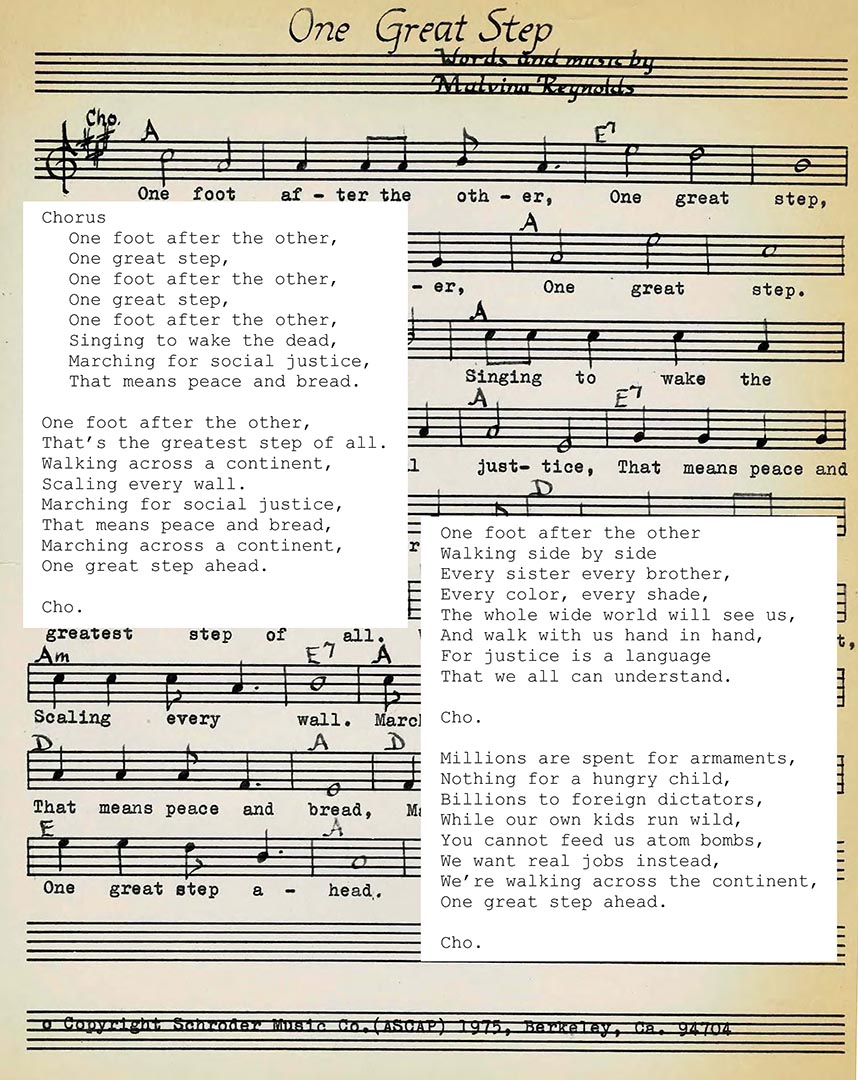
At a benefit concert in San Francisco 10 months earlier, the legendary folksinger Malvina Reynolds performed her own Walk composition, “One Great Step,” though, sadly, only the sheet music remains.
All this singing reminds me of lyrics from a Tom Lehrer song composed a decade earlier, “Remember the war against Franco? / That’s the kind where each of us belongs / Though he may have won all the battles / We had all the good songs! / So, join in the folk song army! / Guitars are the weapons we bring / To the fight against poverty, war, and injustice / Ready, aim, sing!”
However, it’s worth noting that besides guitars, “a thousand people in the street, singing songs, and carrying signs,” we occasionally do win battles thanks to our creativity, persistence, and, when called for, willingness to put ourselves on the line. Nonviolently, of course.
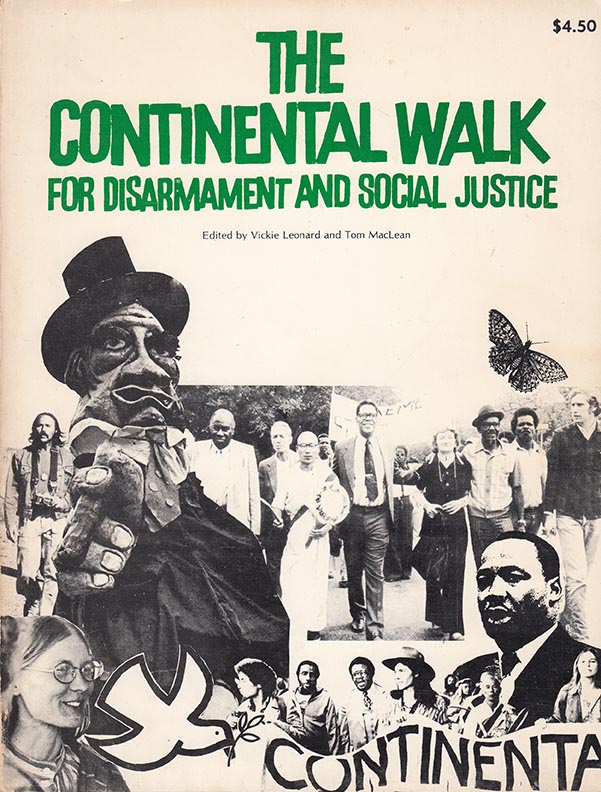
Reference: Besides The Continental Walk book, the articles in “A Dramatic End to the Walk in DC,” WRL News, Nov-Dec 1976, provide more detail and name-checks some 40 people involved in putting together the finale events.
Third in a Series of 7 blogs
Continental Walk Blog #1: Origins
Continental Walk Blog #2: Crisscrossing the Country
Ed Hedemann was the national coordinator for The Walk (1975-1976) and WRL national staff member (1973 to 1986)
Share